About Fort Aguada
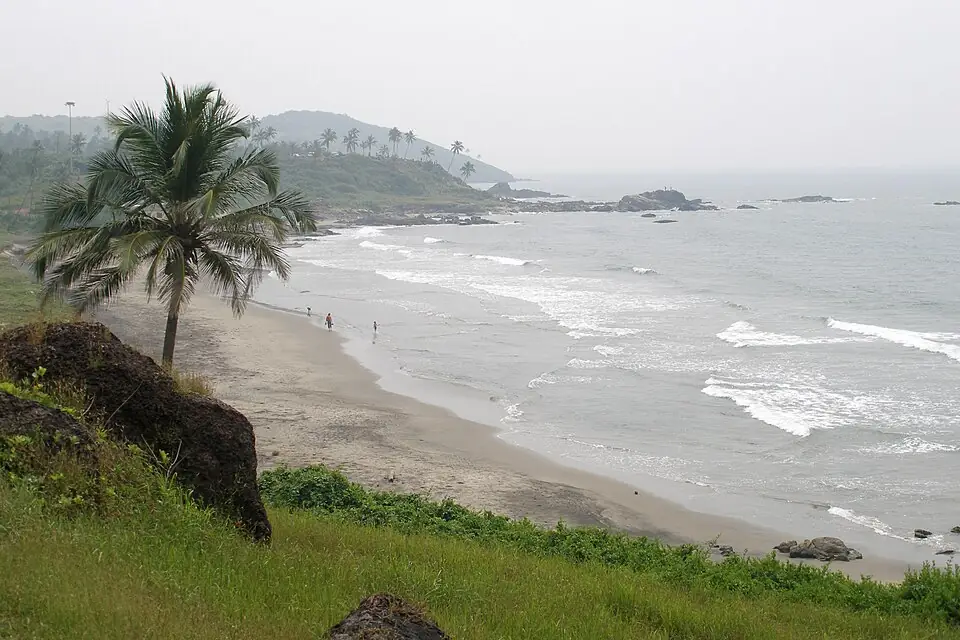
Fort Aguada is a seventeenth-century Portuguese fort built in 1612 at the mouth of the Mandovi, on Sinquerim beach just south of Candolim. It was raised to defend ships and the nearby Bardez district against the Dutch, and it was a reference point for vessels arriving from Europe. The name comes from the Portuguese word for water, since a freshwater spring inside supplied passing ships.
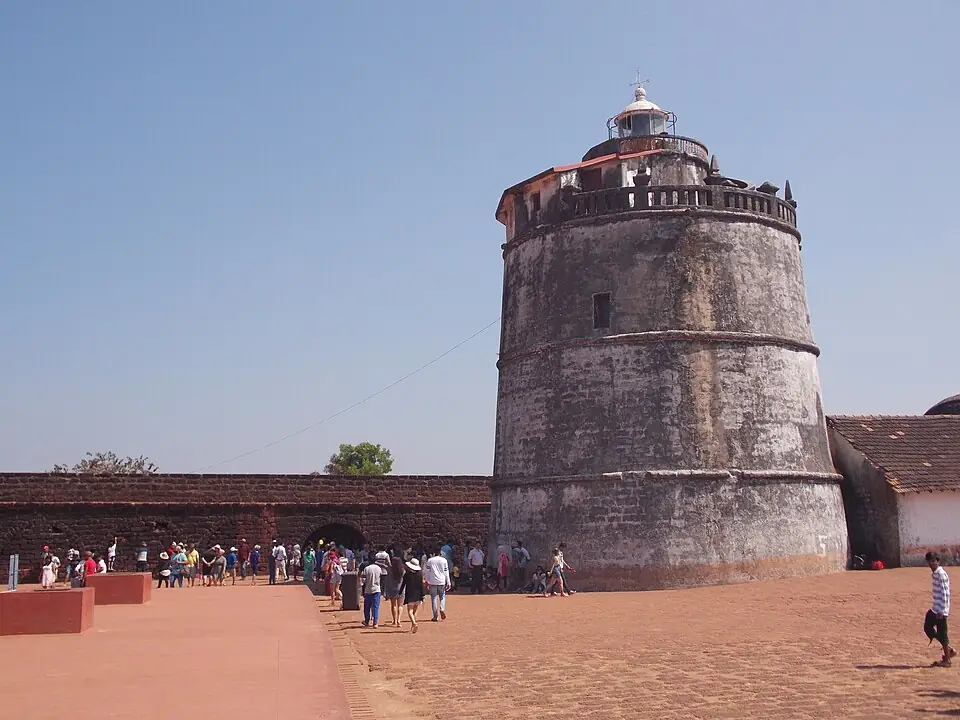
The fort has an upper section that served as the fortress and watering station, and a lower one that gave Portuguese ships a safe berth. It has a moat, an underground water store, a powder room and bastions. The lighthouse beside it dates from 1864 and is described as one of the oldest in Asia; it was replaced by a newer one in 1976.
History
Fort Aguada was one of the most important Portuguese defences. It later became a prison, the Aguada Central Jail, which was Goa’s largest until 2015. The jail has since been restored as a Freedom Struggle Museum, opened in December 2021, with cells dedicated to the freedom fighters T. B. Cunha and Ram Manohar Lohia.
What to see and do
- The old lighthouse and ramparts, with views over the sea.
- The great underground water tank.
- The Freedom Struggle Museum in the old jail.
- Cannons and bastions facing the Arabian Sea.
Getting there
Fort Aguada is about 18 km from Panaji and a short ride south of Candolim and Calangute. Taxis are the simplest way.
Tips for your visit
- Visit late in the afternoon, when the heat eases and the light is good.
- Wear comfortable shoes; the ramparts are uneven.
- We confirm opening hours and access to the lighthouse and museum when we plan your trip.
Fort Aguada: common questions
Sources
Facts checked against these sources. Timings and entry fees change; we confirm them when we plan your trip.