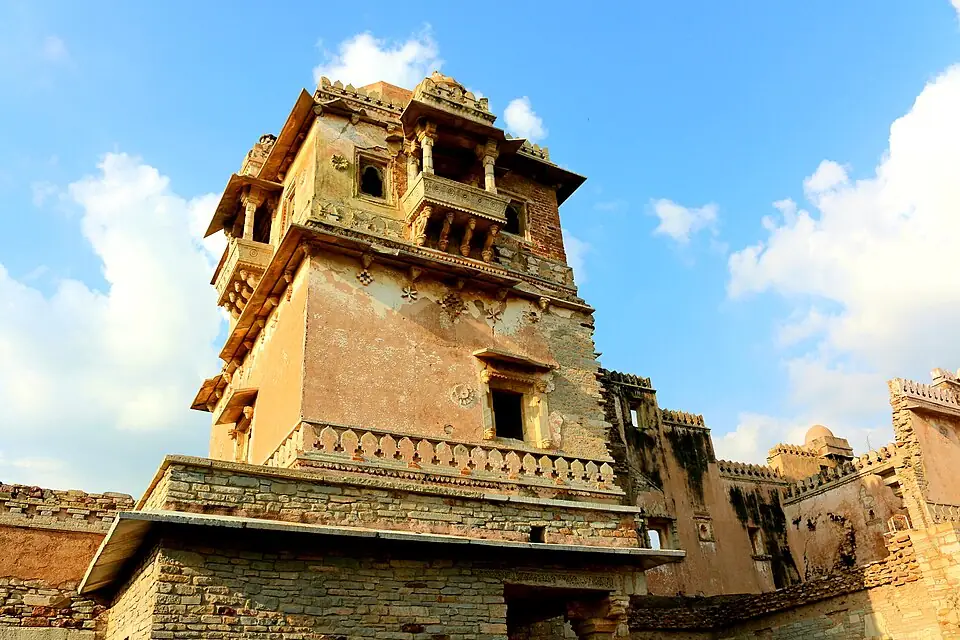
About Chittorgarh Fort
Chittor Fort, also called Chittorgarh, is one of the largest forts in India and a UNESCO World Heritage Site, one of the six Hill Forts of Rajasthan. It sprawls over a hill about 180 m high above the plains of the Berach River, and was the capital of Mewar. The fort covers 65 historic structures, including four palaces, 19 large temples, 20 large water bodies, four memorials and several victory towers.
A winding road of more than a kilometre climbs from the town to the main gate, Ram Pol, and a circular road inside leads to the gates and monuments. Temples within the walls include the Kumbha Shyam Temple, the Meera Bai Temple and the Adi Varah Temple. The fort once held 84 water bodies, of which 22 remain.
History
The Sisodias ruled Mewar from Chittor for about 800 years. The fort was attacked and sacked several times, including by Akbar, and was deserted after 1568, when the capital moved to the safer site of Udaipur. Stories of the sieges, and of the acts of jauhar by the women of the fort, are central to Rajasthan’s heritage, though historians debate some of the details.
What to see and do
- The gates, ramparts and the great sweep of the fort.
- The Kumbha Shyam and Meera Bai temples.
- The palaces and water tanks inside the walls.
- The view of the plains from the hilltop.
Getting there
Chittorgarh is about 233 km from Ajmer and about 115 km from Udaipur, on National Highway 48. The fort rises above the town, and a circular road inside serves the monuments.
Tips for your visit
- Take a vehicle or a guide to cover the fort’s wide area.
- Carry water and wear a hat; there is little shade.
- We confirm opening hours when we plan your trip.
Chittorgarh Fort: common questions
Sources
Facts checked against these sources. Timings and entry fees change; we confirm them when we plan your trip.